Laser Dentistry 101: How Modern Technology Is Transforming the Dental Experience
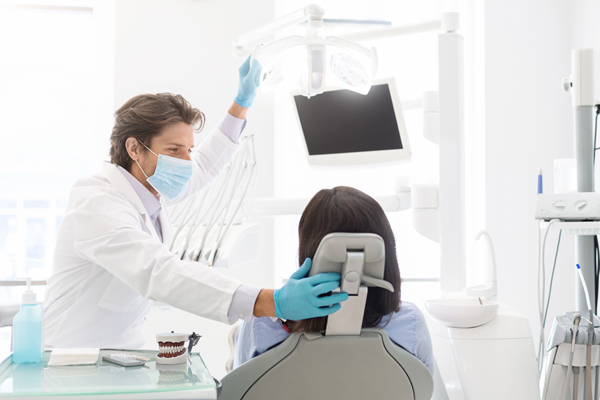
Laser dentistry has become a revolutionary tool in modern dentistry, enhancing the treatment experience for both patients and practitioners. The use of lasers in dental procedures offers numerous benefits, including increased precision, reduced discomfort, and faster recovery times. Laser dentistry is transforming how dental procedures are performed by addressing a wide range of dental conditions.
What is laser dentistry?
Laser dentistry refers to using focused light energy (laser) to perform dental procedures. Unlike traditional methods that use drills or scalpels, lasers are utilized to treat various dental issues with high precision. The lasers work by emitting a concentrated beam of light, which can cut or remove tissue, reshape gums, or even whiten teeth. The types of lasers used in dentistry include hard-tissue lasers, which are ideal for procedures involving teeth, and soft-tissue lasers, which are effective for gum-related treatments.
Laser dentistry has gained popularity due to its ability to offer minimally invasive procedures with fewer side effects than conventional treatments. The precision of the laser reduces the need for anesthesia in many cases and can minimize the risk of complications, making it a more comfortable and efficient option for patients.
Advantages of laser dentistry
One of the most significant advantages of laser dentistry is its precision. Traditional dental tools, such as drills and scalpels, can be invasive and may inadvertently damage surrounding tissues. In contrast, lasers allow dental professionals to target specific areas with remarkable accuracy, minimizing damage to healthy tissues and promoting faster healing.
Laser dentistry also reduces pain and discomfort. Many procedures performed with lasers require little to no anesthesia, as the laser energy often seals nerve endings, reducing pain during and after treatment. As a result, patients experience less swelling, bleeding, and recovery time compared to conventional methods. This makes laser dentistry an attractive option for individuals with dental anxiety or who are seeking a more comfortable treatment experience.
In addition to being more comfortable, laser dentistry offers enhanced precision, which contributes to improved outcomes. For example, lasers can be removed more accurately, preserving healthy tooth structure. They can also treat gum disease by targeting infected tissue while leaving healthy tissue intact. This level of accuracy leads to better results and a lower risk of complications.
Common uses of laser dentistry
Dental professionals use laser dentistry for a wide range of procedures, from routine treatments to more complex surgeries. Some of the most common applications include:
- Cavity detection and treatment: Lasers are used to detect cavities early and can also remove decayed tissue without the need for traditional drilling. This method allows for a more conservative approach to cavity treatment, preserving more of the natural tooth.
- Gum disease treatment: Laser dentistry is effective in treating gum disease, including both early and advanced stages. Lasers can remove infected tissue and promote healthy tissue regeneration, helping reduce gum inflammation, bleeding, and discomfort associated with traditional treatments.
- Teeth whitening: Laser-assisted teeth whitening is a popular cosmetic treatment that accelerates the whitening process. The laser activates the whitening gel, making it more effective and faster than traditional bleaching methods.
- Soft tissue procedures: Soft tissue lasers help with procedures involving the gums, such as reshaping the gumline, treating mouth ulcers, or removing benign growths. These lasers minimize bleeding and discomfort, making recovery faster and more comfortable for patients.
- Frenectomy: A frenectomy is a procedure that involves removing the frenulum, the tissue that connects the upper lip to the gums or the tongue to the bottom of the mouth. Laser dentistry makes this procedure less invasive and reduces the healing time.
Safety and effectiveness of laser dentistry
The Food and Drug Administration, or FDA, regards laser dentistry as a safe and effective treatment option. The technology used in dental lasers is rigorously tested and refined to ensure its safety and precision. Laser treatments have minimal risks and complications when performed by a skilled dental professional.
The effectiveness of laser dentistry is also well-established. While numerous studies have supported laser dentistry effectiveness, a 2024 study published in the Dentistry Journal demonstrated lasers' ability to achieve results comparable to or even better than traditional methods, particularly in areas like cavity removal, gum disease treatment, and soft tissue procedures.
Call us for more information
Laser dentistry is transforming the dental experience, offering a wide range of benefits for patients and practitioners alike. Contact our office today to learn more about laser dentistry and its many benefits. Our team is here to help you determine if it is right for you.
Request an appointment here: https://www.drelloway.com or call Randal S. Elloway DDS, Inc at (530) 527-6777 for an appointment in our Red Bluff office.
Check out what others are saying about our dental services on Yelp: Laser Dentistry in Red Bluff, CA.
Related Posts
Clear aligners are becoming an increasingly popular way to straighten teeth that are crooked, protruding, or crowded. They offer an array of benefits that traditional braces do not as the entire process is completely different. Instead of metal wires and brackets, the teeth are shielded by flexible plastic pieces that go directly over the top…
Patients who feel self-conscious about their smiles might want to consider getting clear aligners. The dentist can help a patient decide if they are a candidate for the treatment plan. After having the aligners for a few months, patients can once more enjoy having straight teeth. Keep reading to learn more about who the right…
Anyone who has worn clear aligners can attest to the effectiveness of this treatment. There is a lot to like about this approach to straightening teeth and correct bite issues. But wearing aligners should not erase a person’s responsibility of continuing good oral hygiene. To keep your teeth healthy, strong, and looking good, you should…
Of the many treatments available to replace missing teeth, dental implants are relatively recent and also very common. Tooth loss, whether from trauma or severe decay, can impact appearance and undermine a beautiful, confident smile. With a metal rod inserted into the jaw like the roots of the tooth and a prosthesis shaped like the…