Breaking Down the All-on-4 Process and Recovery Period
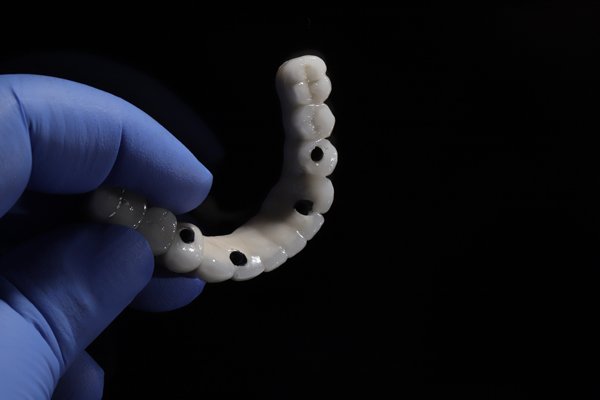
All-on-4® dental implants can replace an entire set of teeth in a way that looks and feels natural. Commonly provided by general, cosmetic, and family dentists, this smile restoration has become a trusted and popular option among patients. With careful planning and professional care, the All-on-4 approach delivers predictable, stable, and natural-looking results for qualified candidates.
What is the All-on-4 system?
The All-on-4 system replaces a full arch of teeth with just four dental implants. Rather than placing an implant for each missing tooth, this approach uses two implants positioned vertically in the front of the jaw and two angled implants in the back of the jaw. The angle of the posterior implants helps maximize existing bone support and typically reduces the need for bone grafting in the jaw.
General, cosmetic, and family dentists who provide implant services often recommend All-on-4 for its reliability and dramatic results. Although full integration with the jawbone takes four to six months, patients receive a functional set of teeth on the same day the implants are placed. Thus, All-on-4 is a quick, convenient method for restoring both the aesthetics and function of a smile.
A closer look at the All-on-4 process
The All-on-4 process begins with comprehensive planning to ensure the dentist places the implants in a way that supports long-term success. This includes a comprehensive oral examination and diagnostic imaging to assess the structure of the jawbone and plan the best positioning for the implants. The dentist tailors each stage of treatment to the patient's specific oral health needs, including any preparatory procedures that may be necessary to remove failing teeth or address existing infections. Explore the different stages of the All-on-4 process below.
Eligibility
A key benefit of the All-on-4 method is its ability to work with patients who have experienced some degree of bone loss, which may have previously ruled out traditional implant placement. However, not all patients are immediate candidates. The dentist evaluates several factors to determine candidacy, including gum health, bone density, and medical history.
For reference, those who wear dentures or have multiple missing or severely damaged teeth are often among the best candidates for All-on-4. It is also important to consider preexisting conditions, like diabetes and heart disease, that impact healing. Whether the patient uses tobacco or takes certain medications will also be considered, as these may be disqualifying factors.
Placement
Once the dentist confirms eligibility, they schedule the All-on-4 procedure. On the day of surgery, four dental implants are strategically placed into the jawbone to provide immediate support. A temporary full-arch prosthesis is attached during the same visit, allowing the patient to leave with a functional, natural-looking set of teeth that same day.
This teeth-in-a-day method delivers instant improvements in appearance and oral function while reducing downtime. Over the next few months, the implants will fuse with the jawbone through a process called osseointegration. Once healing is complete, the dentist places a custom-designed permanent prosthesis for long-lasting strength and comfort. With consistent care and checkups, All-on-4 can last for decades.
Recovery after the All-on-4 procedure
Recovery following the All-on-4 procedure is typically faster than that of traditional implant methods, partly due to the fewer surgical sites and the use of angled implants. Mild swelling, tenderness, and minor bleeding are common in the first few days following the procedure. Patients can easily manage these side effects with over-the-counter (OTC) pain medication and cold compresses. Dentists will provide detailed post-operative instructions to support healing and reduce the risk of complications.
Most patients return to normal activities within a few days. Still, patients should take care to follow dietary recommendations and avoid putting excessive pressure on the implants during the early healing phase. Eating a soft food diet for the first few weeks allows the implants to stabilize properly. Follow-up care from the dentist further supports healing, as they can make adjustments as needed.
Proper oral hygiene is essential during recovery and beyond. Brush gently around the implant sites, use antimicrobial mouth rinses, and schedule routine dental visits. Many family and general dentists offer ongoing maintenance plans for patients with All-on-4 implants so that the restorations remain secure and healthy over time.
Book a consultation to learn more
The All-on-4 dental implant system provides a proven path to restoring smile health and confidence, eliminating the need for traditional dentures. From consultation through recovery, our dentist works closely with patients to deliver personalized care at every step. Schedule your consultation with our Red Bluff team today.
Request an appointment here: https://www.drelloway.com or call Randal S. Elloway DDS, Inc at (530) 527-6777 for an appointment in our Red Bluff office.
Check out what others are saying about our dental services on Yelp: All-on-4 Dental Implants in Red Bluff, CA.
Related Posts
Of the many treatments available to replace missing teeth, dental implants are relatively recent and also very common. Tooth loss, whether from trauma or severe decay, can impact appearance and undermine a beautiful, confident smile. With a metal rod inserted into the jaw like the roots of the tooth and a prosthesis shaped like the…
Tooth loss can affect how you eat and speak, as well as how your smile looks. Restorative solutions, like implant crowns, are important for maintaining your dental and overall health. Implant crowns are strong and resemble natural teeth, blending well with surrounding teeth. They imitate the structure of real teeth, providing long-term benefits for those…
Dental implants function like natural tooth roots, providing a secure foundation for artificial teeth. An implant dentist follows a structured process to ensure the implant integrates properly with the jawbone, resulting in a functional and natural-looking restoration. Knowing what to expect at each stage of treatment can ease patient concerns and ensure proper preparation.The dental…
Finding the right implant dentist is the first step for those considering dental implants to replace missing teeth. Many people assume that only specialists can handle implant placement, but general dentists frequently offer implant services as part of their practice. Understanding the differences between these dental providers and what makes an implant dentist can help…